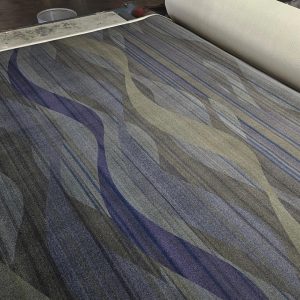
Walk through almost any hotel corridor, casino floor, or large hospitality space and one design feature appears repeatedly: patterned carpet. Unlike residential flooring where solid colors are common, hospitality environments often rely on intricate carpet patterns that serve both aesthetic and functional purposes.
Patterned carpet helps hospitality properties manage heavy traffic, conceal soil accumulation, and create visual continuity across large interior spaces. These patterns are not simply decorative choices — they are part of the engineering strategy used to maintain long-term flooring performance.
For a broader overview of hospitality carpet systems used in hotel environments, see our guide to hotel carpet and hospitality flooring.
Patterned Carpet Helps Conceal Traffic Wear
Hospitality environments experience constant foot traffic from guests, staff, and service equipment. Over time, traffic lanes naturally develop along primary walking paths such as hotel corridors and lobby circulation areas.
Patterned carpet helps distribute visual attention across the surface of the floor. By combining multiple colors and textures, patterned designs can reduce the visibility of traffic lanes and soil accumulation between cleaning cycles.
This design strategy allows carpet installations to maintain a consistent appearance even in areas with heavy daily use.
Large Hospitality Spaces Require Visual Structure
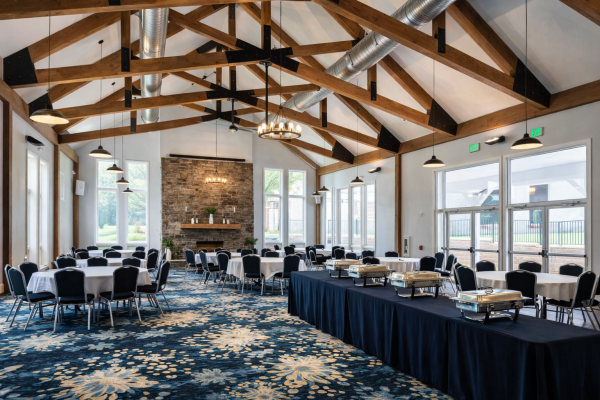
Many hospitality environments contain large open areas such as ballrooms, conference centers, and gaming floors. Patterned carpet allows designers to create visual structure within these spaces without the need for physical partitions.
Carpet patterns can guide traffic flow, define functional zones, and support the overall architectural identity of a property.
This is one reason patterned carpet appears frequently in casino environments where flooring design plays a major role in the atmosphere of the space.
For a deeper explanation of patterned carpet design in gaming environments, see our casino carpet engineering documentation.
Patterned Carpet Supports Long-Term Maintenance
Hospitality flooring must maintain a consistent appearance between cleaning cycles. Solid-colored carpet can reveal soil accumulation more quickly in high-traffic areas.
Patterned carpet designs distribute color variation across the surface of the flooring, which helps conceal minor stains and soil buildup.
This characteristic makes patterned carpet especially useful in public hospitality environments such as corridors, event spaces, and gathering areas.
Patterned Carpet in Churches and Institutional Spaces
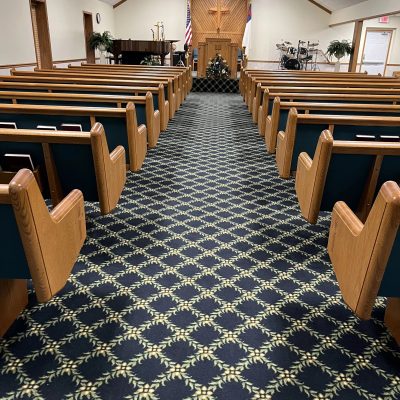
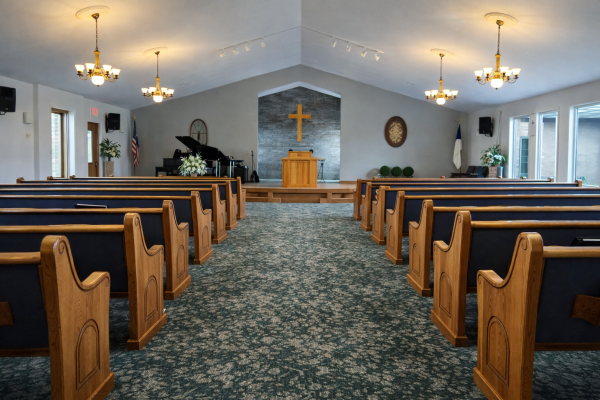
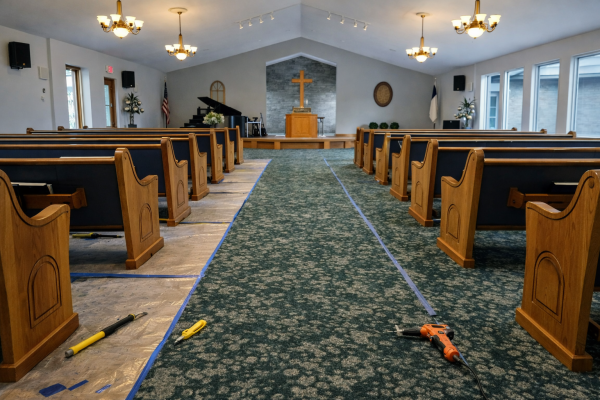
Patterned carpet is also widely used in institutional environments such as churches and worship centers. Large sanctuaries and assembly spaces benefit from patterned flooring because it helps visually organize large open seating areas.
Church carpet installations often use patterns that balance visual warmth with durability in high-use areas.
For more detail on how carpet is engineered for these environments, see our church carpet engineering documentation.
Designing Hospitality Spaces With Patterned Carpet
Selecting patterned carpet for hospitality environments involves balancing design objectives with performance considerations such as traffic exposure, seam placement, and long-term maintenance planning.
Modern hospitality carpet designs combine pattern engineering with durable construction systems that support both aesthetics and performance.
Explore available patterned hospitality carpet styles used in hotel environments here.