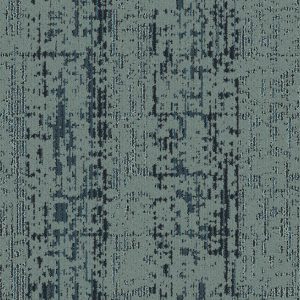
Carpet plays a central role in hospitality interior environments. From guest room floors to long corridor installations and large public spaces, flooring must balance design, durability, and operational performance.
Hotel carpet is engineered specifically for environments where continuous foot traffic, rolling luggage, housekeeping equipment, and long operational cycles place significant demands on flooring systems.
Understanding how hospitality carpet is designed, specified, and installed helps property owners and project managers select flooring systems that maintain visual consistency while supporting long-term durability.
This guide explains the major construction systems, performance considerations, and planning strategies used when selecting carpet for hotel environments.
Key Hospitality Carpet Engineering Resources
Hospitality Carpet vs Residential Carpet
Carpet used in hospitality environments differs significantly from flooring installed in residential settings. Hotels require flooring systems that maintain performance under continuous traffic conditions while supporting large installation areas such as corridors, lobbies, meeting spaces, and guest room floors.
Hospitality carpet is often engineered with construction platforms designed to maintain structural stability, seam performance, and pattern clarity across large floor plans. These requirements place hospitality flooring in a very different category from residential soft surface products where traffic patterns are lighter and renovation cycles are less demanding.
For technical documentation covering hospitality carpet construction systems, see our Construction Systems guide.
Major Hotel Carpet Construction Systems
Several carpet construction platforms are commonly used in hospitality environments. Each system offers different advantages depending on design goals, traffic exposure, and long-term maintenance priorities.
Broadloom carpet remains one of the most widely used formats for guest rooms, corridors, and public spaces because it allows continuous wall-to-wall installation across large areas with fewer seams than modular formats.
Woven carpet systems such as Axminster and Wilton are frequently specified when detailed patterns, dimensional stability, and strong long-term structural performance are required in public areas and signature hospitality interiors.
Printed carpet platforms may also be used in environments where flexible pattern design and cost control are priorities.
Explore these construction systems in more detail:
Performance Requirements in Hotel Flooring
Hotel flooring must maintain durability and appearance across spaces that experience concentrated traffic patterns. Corridors, elevator approaches, lobby pathways, and public circulation areas often represent the most demanding environments for carpet performance.
These areas require flooring systems engineered to handle constant foot traffic while maintaining seam integrity, texture retention, and consistent pattern definition. Construction density, backing stability, and installation strategy all influence how well hotel carpet performs over time.
For more detail on hospitality carpet durability and traffic alignment, see our Performance Engineering documentation and our Hospitality Carpet Performance Standards.
Hotel Corridor Carpet Engineering
Hotel corridors represent one of the highest-stress flooring environments within a property. Rolling luggage, housekeeping carts, service equipment, and concentrated directional foot traffic all place stress on the carpet surface and the seam structure beneath it.
Because hallway traffic follows a predictable travel path, corridor flooring must be selected with careful attention to density, seam placement, backing stability, and long-term maintenance. Corridor carpet also plays a major visual role in defining the tone and continuity of a hotel interior.
For a deeper technical explanation, see our Hotel Corridor Carpet Engineering guide.
Carpet Design in Hospitality Interiors
Carpet design in hospitality environments serves both functional and aesthetic roles. Patterned carpet installations help manage visual traffic lanes while supporting the architectural identity of the property.
Designers frequently use patterned carpet to define circulation paths, structure large public spaces, and create visual rhythm across long corridor installations. In many hotels, patterned flooring helps conceal soil accumulation, reduce the appearance of wear, and support zoning within open interior spaces.
Understanding how carpet patterns are planned and aligned is an important part of hospitality specification. See our article on how hotel carpet patterns are aligned across large floors.
Planning Hotel Carpet Renovations
Hotel flooring is typically replaced as part of long-term renovation cycles designed to maintain brand standards and property value. Carpet replacement is not simply a design decision. It also requires coordination between installation scheduling, guest access, pattern continuity, and operational planning.
Many hospitality properties coordinate carpet replacement across guest rooms, corridors, and public spaces as part of a phased renovation strategy. This helps maintain service continuity while improving the visual consistency of the property over time.
Learn more in our Renovation Planning documentation and the Hospitality Carpet Renovation Planning Guide.
Mill-Direct Hospitality Carpet Programs
In many hotel renovation and new construction projects, flooring decisions are tied closely to production scheduling, budget control, and long-term specification consistency. Mill-direct hospitality carpet programs help properties coordinate these decisions more efficiently.
Structured mill-connected programs can support phased rollout planning, consistent product specification, and clearer alignment between renovation timing and carpet availability. This becomes especially important when hotels are replacing flooring across multiple floors or across several properties within a portfolio.
For more detail, see our Program & Production Structure documentation and our page on Mill-Direct Hospitality Carpet Programs.
Hospitality Carpet for Different Property Types
Different hospitality environments require different flooring strategies. A corridor in a limited-service hotel does not face the same design and performance requirements as a casino floor, church sanctuary, or ballroom installation.
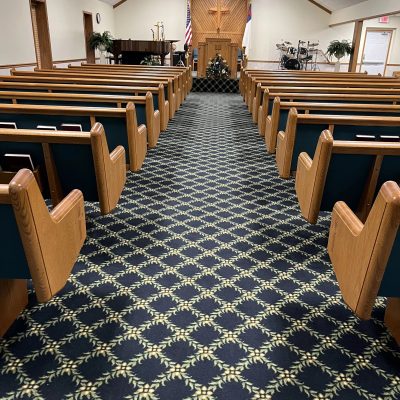
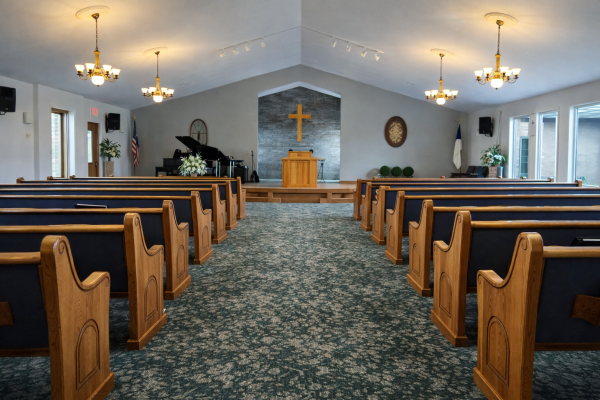
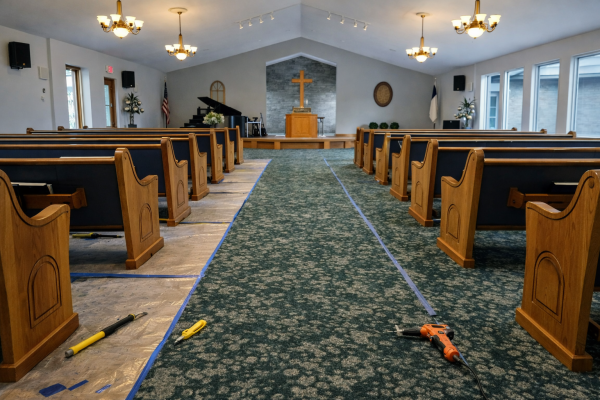
Casino environments often rely on highly engineered patterned carpet to support large gaming floors and heavy traffic conditions. Church and institutional environments frequently use patterned carpet to structure large seating areas while maintaining durability and long-term visual consistency.
Explore these vertical-specific engineering guides:
Selecting Carpet for Your Hospitality Property
Choosing the right carpet system requires balancing design goals, traffic exposure, maintenance strategy, and installation logistics. Construction platform, pattern engineering, renovation planning, and program coordination all influence the long-term success of a hospitality flooring specification.
Understanding the differences between construction systems and performance requirements helps property owners, designers, and project managers make better flooring decisions for hotel environments.
Explore available hotel and hospitality carpet options here: Hotel Carpet & Hospitality.
Hospitality Carpet Technical Library
The Technical Library brings together structured documentation on hospitality carpet construction, performance standards, corridor engineering, renovation planning, mill-direct programs, and vertical applications. It is designed to help commercial buyers and project teams make informed flooring decisions backed by technical guidance.
Explore the Hospitality Carpet Technical Library
For mill-connected hospitality carpet program coordination and project consultation, visit Dalton Hospitality Carpet.