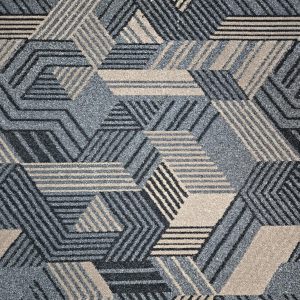
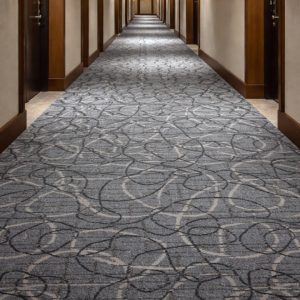
In hospitality environments, carpet selection is rarely just about aesthetics. Hotels, casinos, and institutional facilities often rely on woven carpet construction systems that provide structural stability, pattern precision, and predictable long-term performance.
Two of the most widely recognized woven carpet platforms used in hospitality projects are Axminster and Wilton construction. While both systems are known for durability and design capability, they are engineered differently and can influence how a space performs over time.
Understanding the differences between these two construction systems can help property owners and designers align carpet selection with traffic conditions, pattern objectives, and renovation planning.
For a broader overview of hospitality flooring systems, see our guide to hotel carpet and hospitality carpet selection.
Understanding Woven Carpet Systems
Unlike tufted carpet where yarn is inserted into a backing, woven carpet construction integrates yarn directly into the structure of the carpet during manufacturing. This approach creates a highly stable construction platform that supports detailed pattern work and consistent surface definition.
Woven systems are often specified in hospitality environments where design continuity, long-term dimensional stability, and complex pattern engineering are required.
Two of the most common woven systems used in hotels and large institutional environments are Axminster and Wilton carpet.
For a technical overview of hospitality carpet construction platforms, see our construction systems documentation.
How Axminster Construction Works
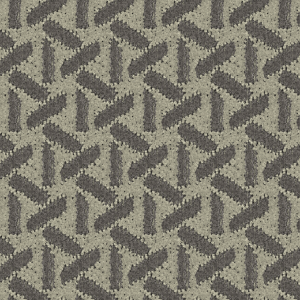
Axminster carpet is known for its ability to produce highly detailed and intricate patterns. In this construction system, yarn bundles are inserted individually into the carpet structure during the weaving process. This allows precise color placement and exceptional pattern flexibility.
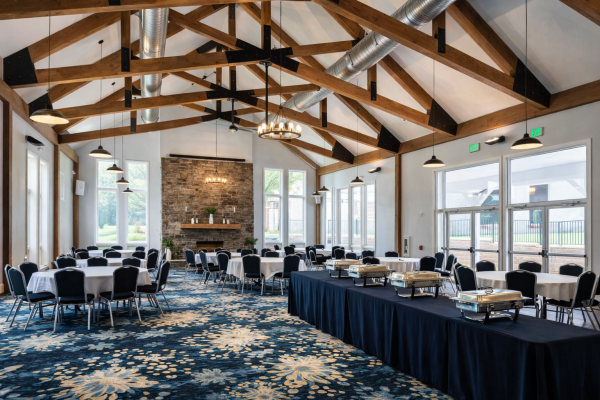
Because the yarns are woven directly into the backing structure, Axminster carpet is capable of supporting complex design layouts often used in casinos, ballrooms, and large hospitality public spaces.
Axminster is commonly selected when the carpet pattern plays a significant role in the visual identity of a hospitality environment.
For a detailed technical explanation of this construction platform, see our Axminster woven construction guide.
How Wilton Construction Differs
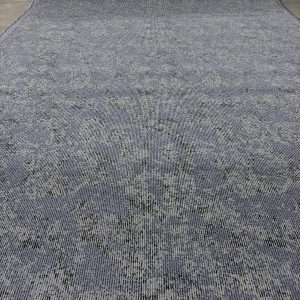
Wilton carpet is another woven construction system widely used in hospitality environments. Unlike Axminster, Wilton carpet is produced by weaving yarn loops into the carpet structure and then selectively cutting those loops to create the finished pile surface.
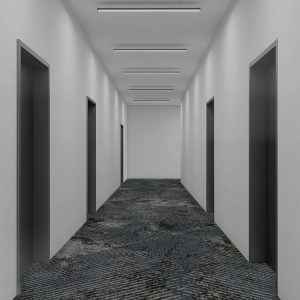
This manufacturing method creates a very dense and stable construction platform that performs well in high-traffic areas such as hotel corridors, conference facilities, and public circulation spaces.
While Wilton systems typically use fewer colors than Axminster designs, they still provide strong pattern capability and excellent durability in demanding hospitality applications.
A technical overview of this construction platform can be found in our Wilton woven construction guide.
Design Flexibility in Hospitality Interiors
One of the reasons woven carpet systems remain popular in hospitality environments is their ability to support large-scale pattern engineering.
Designers frequently use patterned carpet to guide traffic flow, define zones within large open spaces, and reinforce the identity of a property or brand.
Axminster systems are often preferred for highly intricate patterns and multi-color designs, while Wilton constructions may be selected when density and structural stability are the primary performance objectives.
Both platforms allow hospitality designers to integrate pattern and architecture in ways that are difficult to achieve with simpler carpet constructions.
Choosing Between Axminster and Wilton Carpet
Selecting between Axminster and Wilton construction systems typically depends on several factors including design complexity, traffic intensity, and long-term maintenance considerations.
Projects that emphasize bold visual identity or complex patterns often favor Axminster construction, while environments that require high structural density and durable surface performance may favor Wilton systems.
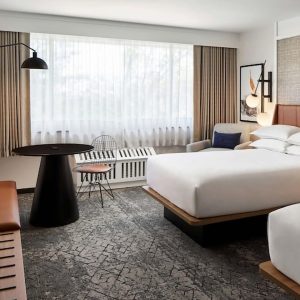
In many hospitality projects, construction selection is influenced by how the carpet will perform across guest rooms, corridors, and large public spaces.
Understanding how these construction platforms behave under real-world traffic conditions can help property owners make informed flooring decisions.
Explore available hospitality carpet options and woven carpet styles used in hotel environments here.