Patterned carpet plays a central role in hospitality interior design. Hotels, casinos, and large institutional environments frequently use patterned flooring to define circulation paths, structure open spaces, and reinforce the visual identity of a property.
However, installing patterned carpet across large floor areas requires careful planning to ensure that patterns align correctly throughout the space. In hospitality environments where corridors may extend for hundreds of feet and public spaces span thousands of square feet, pattern alignment becomes a critical part of the installation process.
Understanding how patterned carpet layouts are planned helps property owners, designers, and renovation teams ensure consistent results during large hospitality flooring installations.
For a broader overview of hospitality carpet systems used in hotel environments, see our guide to hotel carpet and hospitality flooring.
What Is Carpet Pattern Repeat
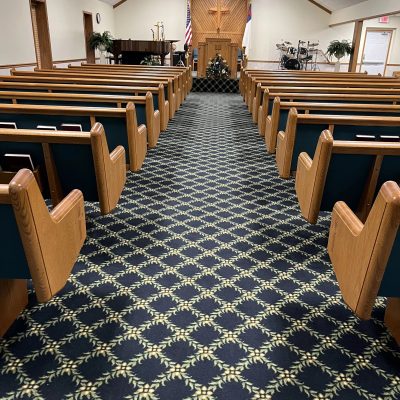
Pattern repeat refers to the distance required for a carpet pattern to complete one full design cycle. In hospitality carpet installations, pattern repeats may range from small geometric patterns to large-scale motifs that extend across several feet of flooring.
When carpet rolls are installed side by side, the pattern repeat must be aligned so that the design appears continuous across seams. Installers carefully measure and position each roll to ensure that the pattern flows correctly throughout the installation.
This process becomes especially important in corridors and large public spaces where misaligned patterns can be immediately noticeable.
Planning Pattern Layout Across Corridors
Hotel corridors often present one of the most demanding environments for patterned carpet installation. Because corridors extend over long distances, installers must plan pattern placement carefully so that seams occur in locations that maintain visual continuity.
In many hospitality projects, pattern alignment is planned during the design and specification stage. Floor plans are used to determine how carpet rolls will be positioned and where seams will be located along the corridor.
This coordination helps ensure that the carpet pattern flows naturally down the hallway without visible interruptions.
For a deeper explanation of corridor flooring performance considerations, see our hotel corridor carpet engineering documentation.
Pattern Alignment in Ballrooms and Public Spaces
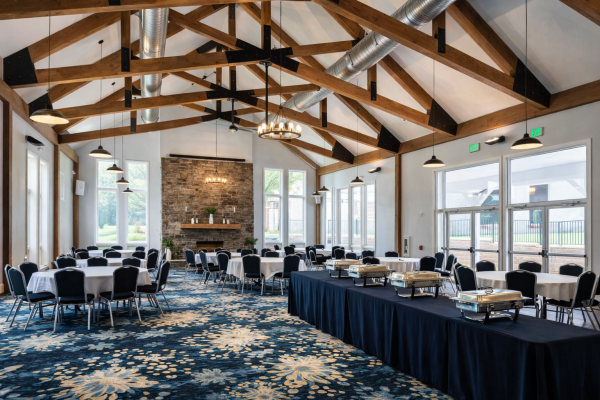
Large hospitality spaces such as ballrooms and conference centers often use carpet patterns that extend across thousands of square feet. In these environments, pattern alignment is essential for maintaining a cohesive visual appearance.
Designers frequently select patterned carpet layouts that complement architectural features such as stage areas, seating layouts, and circulation paths. Installers then align carpet rolls to ensure that these patterns maintain continuity across the entire space.
This coordination between design intent and installation planning helps ensure that patterned carpet contributes to the overall visual structure of the interior environment.
Why Woven Carpet Systems Are Often Used for Patterned Installations
Many patterned hospitality carpet installations use woven carpet construction platforms such as Axminster or Wilton systems. These construction methods allow precise color placement and detailed pattern design, making them ideal for large hospitality environments.
Woven systems also provide strong structural stability, which helps maintain pattern clarity over time in high-traffic environments.
For technical documentation covering these construction platforms, see our hospitality carpet construction systems guide.
Coordinating Carpet Pattern Layout During Renovations
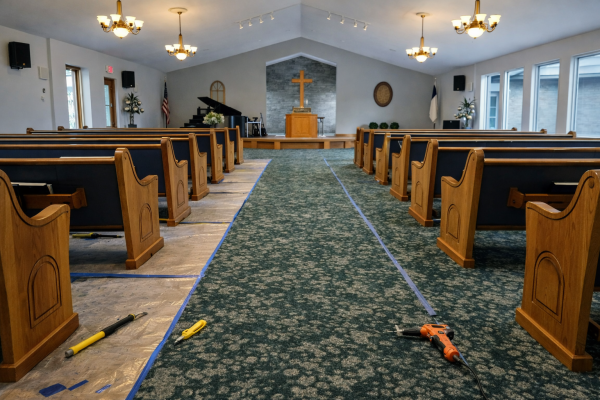
Pattern alignment planning becomes especially important during renovation projects where flooring may be installed in phases across multiple floors or wings of a property.
Maintaining consistent pattern flow across different installation phases requires coordination between carpet production, dye lot control, and installation sequencing.
Careful planning helps ensure that carpet installed during later renovation phases matches existing flooring and maintains a consistent visual appearance across the property.
For more detail on renovation planning strategies, see our hospitality carpet renovation planning guide.